Why the Naira Keeps Falling and What It Means for You
By MetroNub Staff
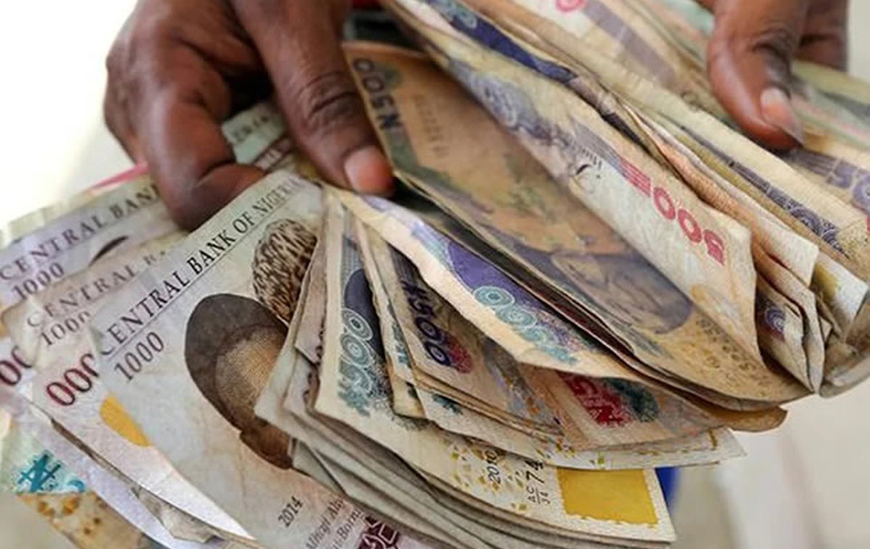
The Nigerian naira has become one of the most talked-about currencies in Africa — and not for good reasons. Every few months, headlines announce another sharp drop in the value of the naira against the US dollar. Prices rise overnight, imported goods become more expensive, and millions of Nigerians feel the pressure in their daily lives.
If you’ve been asking " why the naira keeps falling and what it means for you," you’re not alone. From rising inflation and foreign exchange shortages to government policy changes and global economic shocks, several powerful forces are weakening the currency.
But this isn’t just an economic story happening in Abuja or inside banking halls. The falling naira affects your food prices, rent, school fees, fuel costs, savings, investments, business profits, and even your future opportunities.
In this in-depth guide, you’ll learn:
- Why the naira continues to lose value
- The real economic forces behind currency depreciation
- How the falling naira affects ordinary Nigerians
- Who benefits from a weak naira
- What could happen next
- Practical ways to protect your money and finances
Whether you’re a student, entrepreneur, salary earner, investor, freelancer, or business owner, understanding the naira crisis is no longer optional. It directly impacts your financial survival.
What Does It Mean When the Naira Falls?
When people say the naira is “falling,” they mean the currency is losing value compared to stronger foreign currencies like the US dollar, British pound, or euro.
For example:
- If ₦500 once exchanged for $1
- And now ₦1,500 exchanges for $1
It means the naira has weakened significantly.
This process is called currency depreciation.
A weaker naira means Nigerians need more money to buy imported goods, pay international fees, or conduct transactions tied to foreign currencies.
Why the Naira Keeps Falling
1. Nigeria Imports More Than It Produces
One of the biggest reasons the naira keeps falling is Nigeria’s heavy dependence on imports.
Nigeria imports:
- Fuel
- Machinery
- Electronics
- Cars
- Pharmaceuticals
- Food products
- Industrial raw materials
These imports are paid for in US dollars.
The problem? Nigeria does not earn enough dollars outside crude oil exports. When demand for dollars becomes higher than supply, the dollar becomes more expensive — and the naira weakens.
Why This Matters
Countries with strong currencies usually:
- Export more goods
- Produce locally
- Attract foreign investment
- Maintain strong industrial sectors
Nigeria struggles in many of these areas, increasing pressure on the naira.
2. Dependence on Crude Oil Revenue
Nigeria depends heavily on oil exports for foreign exchange earnings.
When oil prices fall globally or oil production drops due to theft, pipeline vandalism, or reduced demand, Nigeria earns fewer dollars.
This creates a foreign exchange shortage.
Less dollar supply means:
- The dollar becomes scarce
- The exchange rate rises
- The naira depreciates
This overdependence on oil makes the naira extremely vulnerable to global economic shocks.
3. High Inflation in Nigeria
Inflation reduces the purchasing power of a currency.
When inflation in Nigeria rises faster than in other countries, the naira naturally weakens over time.
Common causes of inflation in Nigeria include:
- Rising fuel prices
- Food supply disruptions
- Currency depreciation
- Excess money supply
- Poor infrastructure
- High transportation costs
As inflation rises:
- Consumer confidence falls
- Foreign investors become cautious
- The naira loses value further
4. Foreign Exchange Shortages
Nigeria has faced recurring dollar shortages for years.
This happens because:
- Dollar demand is extremely high
- Foreign reserves are under pressure
- Export earnings are limited
- Foreign investment inflows are weak
Businesses, importers, students, travelers, manufacturers, and investors all need dollars.
When official supply cannot meet demand, people turn to the parallel market, causing the exchange rate to rise sharply.
5. Declining Foreign Investor Confidence
Foreign investors prefer stable economies and predictable policies.
Several issues reduce investor confidence in Nigeria:
- Exchange rate instability
- Policy inconsistency
- Security concerns
- Inflation uncertainty
- Difficult business environment
When investors pull money out of Nigeria:
- Dollar inflows decline
- Foreign reserves weaken
- The naira comes under pressure
6. Speculation and Panic Buying of Dollars
Psychology also affects exchange rates.
When people expect the naira to keep falling, many rush to buy and hold dollars as a store of value.
This creates:
- Artificial dollar scarcity
- Higher exchange rates
- More panic buying
The cycle becomes self-reinforcing.
Businesses also increase prices preemptively because they expect future currency depreciation.
7. Central Bank Policies and Exchange Rate Reforms
Government and Central Bank policies significantly influence the naira.
In recent years, Nigeria has:
- Adjusted exchange rate systems
- Removed fuel subsidies
- Liberalized foreign exchange markets
- Reduced artificial currency controls
While these reforms may improve long-term market efficiency, they often cause short-term volatility and rapid depreciation.
When exchange rates are allowed to reflect market realities, the naira may initially weaken sharply before stabilizing.
What the Falling Naira Means for You
1. Prices of Goods and Services Rise
A weaker naira increases the cost of imports.
Since Nigeria relies heavily on imported goods and raw materials, businesses pass higher costs to consumers.
This affects:
- Food prices
- Fuel
- Electronics
- Transportation
- Building materials
- Medicine
- School fees
Even locally made products become more expensive because many manufacturers rely on imported inputs.
2. Your Salary Loses Purchasing Power
If your income stays the same while prices rise, your real purchasing power declines.
For example:
- You may still earn ₦200,000 monthly
- But that ₦200,000 buys far less than before
This is one of the harshest realities of currency depreciation.
Many middle-class Nigerians now struggle with:
- Higher living costs
- Reduced savings
- Financial stress
- Lower disposable income
3. Businesses Face Higher Operating Costs
Businesses that import goods or raw materials are heavily affected.
They face:
- Higher import costs
- Expensive logistics
- Reduced profit margins
- Unstable pricing
Some businesses:
- Reduce staff
- Increase prices
- Scale down operations
- Shut down entirely
Small businesses are especially vulnerable.
4. International Education Becomes More Expensive
Students studying abroad or paying international tuition suffer greatly when the naira weakens.
A school fee that once cost:
- ₦5 million
Could suddenly cost:
- ₦15 million or more
Even local private schools tied to foreign currencies may increase fees.
5. Travel and Tourism Become Costlier
Flight tickets, visa fees, hotel bookings, and international spending all become more expensive when the naira depreciates.
This affects:
- Vacation plans
- Medical tourism
- Business travel
- Family relocation costs
6. Savings in Naira Lose Value
Keeping large amounts of cash in naira during high inflation periods can erode wealth over time.
Even if the numerical amount remains unchanged, the real value declines because prices keep rising.
This is why many people seek:
- Dollar savings
- Foreign investments
- Real estate
- Stocks
- Digital income streams
Who Benefits From a Weak Naira?
Although most people suffer during currency depreciation, some groups may benefit.
Exporters
Businesses earning dollars from exports can convert foreign earnings into more naira.
Freelancers and Remote Workers
Nigerians earning in dollars through remote jobs, freelancing, or international business often gain purchasing power locally.
Tourism and Local Production
Imported alternatives become expensive, encouraging local substitutes.
This can create opportunities for:
- Local manufacturers
- Agriculture
- Technology startups
- Creative industries
Can the Naira Recover?
Yes — but recovery requires structural economic improvements, not temporary fixes.
Key Factors That Could Strengthen the Naira
- Higher non-oil exports
- Increased foreign investment
- Stable economic policies
- Improved local production
- Reduced import dependence
- Lower inflation
- Stronger foreign reserves
Countries strengthen their currencies by building productive economies, not simply by controlling exchange rates.
How to Protect Yourself From a Falling Naira
1. Diversify Your Income
Relying on one local income source is increasingly risky.
Consider:
- Freelancing
- Remote work
- Online business
- Export services
- Digital skills
Earning in foreign currency can help hedge against naira depreciation.
2. Invest Instead of Holding Idle Cash
Inflation destroys idle savings.
Consider investments such as:
- Stocks
- Treasury bills
- Mutual funds
- Real estate
- Dollar-denominated assets
Always assess your risk tolerance before investing.
3. Build Emergency Savings
Economic volatility increases financial uncertainty.
An emergency fund helps protect against:
- Job loss
- Unexpected expenses
- Medical emergencies
- Business downturns
4. Reduce Dependence on Imported Lifestyle Choices
Imported products become expensive during currency depreciation.
Whenever possible:
- Support local alternatives
- Reduce unnecessary luxury imports
- Cut avoidable foreign currency expenses
5. Learn High-Income Digital Skills
The global economy allows Nigerians to earn internationally without relocating.
High-demand skills include:
- Software development
- Digital marketing
- UI/UX design
- Video editing
- Copywriting
- Data analysis
- Cybersecurity
Global earnings can provide protection. against local currency instability.
Common Myths About the Falling Naira
Myth 1: The Government Alone Controls the Exchange Rate
While policies matter, exchange rates are heavily influenced by:
- Market demand
- Foreign reserves
- Investor confidence
- Global economic trends
Myth 2: Printing More Money Solves Economic Problems
Excessive money printing without productivity growth often worsens inflation and weakens the currency further.
Myth 3: A Stronger Naira Automatically Means a Better Economy
Artificially fixing exchange rates without solving structural issues can create black markets and distortions.
Sustainable currency strength comes from economic productivity.
The Bigger Economic Picture
The falling naira reflects deeper structural challenges in Nigeria’s economy.
These include:
- Weak industrialization
- Import dependence
- Limited export diversification
- Infrastructure deficits
- Policy uncertainty
- Energy challenges
Currency stability is often a symptom of broader economic health.
Countries with productive economies, strong institutions, diversified exports, and investor confidence generally maintain stronger currencies over time.
Frequently Asked Questions About the Falling Naira
Why is the naira falling against the dollar?
The naira is falling because demand for dollars exceeds supply. Key causes include high import dependence, low export diversification, inflation, declining foreign investment, and foreign exchange shortages.
Will the naira continue to fall?
The naira may remain volatile unless Nigeria improves productivity, exports, foreign investment inflows, and economic stability.
How does the falling naira affect ordinary Nigerians?
It increases the cost of living, reduces purchasing power, raises inflation, and makes imported goods and services more expensive.
Can a weak naira help Nigeria?
A weaker currency can support exports and local production, but excessive depreciation creates inflation and economic hardship.
What is the best way to survive a falling naira?
Diversifying income, investing wisely, learning digital skills, reducing unnecessary expenses, and building emergency savings can help protect your finances.
Final Thoughts
The story of the falling naira is not just about economics. It’s about how global markets, national policies, productivity, and public confidence shape everyday life in Nigeria.
For millions of Nigerians, the effects are deeply personal:
- Higher food prices
- Rising transportation costs
- More expensive education
- Reduced savings value
- Financial uncertainty
But understanding the forces behind currency depreciation gives you an advantage.
Instead of reacting emotionally to exchange rate headlines, you can make smarter financial decisions, adapt strategically, and position yourself for long-term resilience.
The naira may continue facing pressure, but informed individuals and adaptable businesses can still create opportunities even during economic uncertainty.