How to Build an Emergency Fund in Nigeria: Complete 2026 Guide to Financial Security
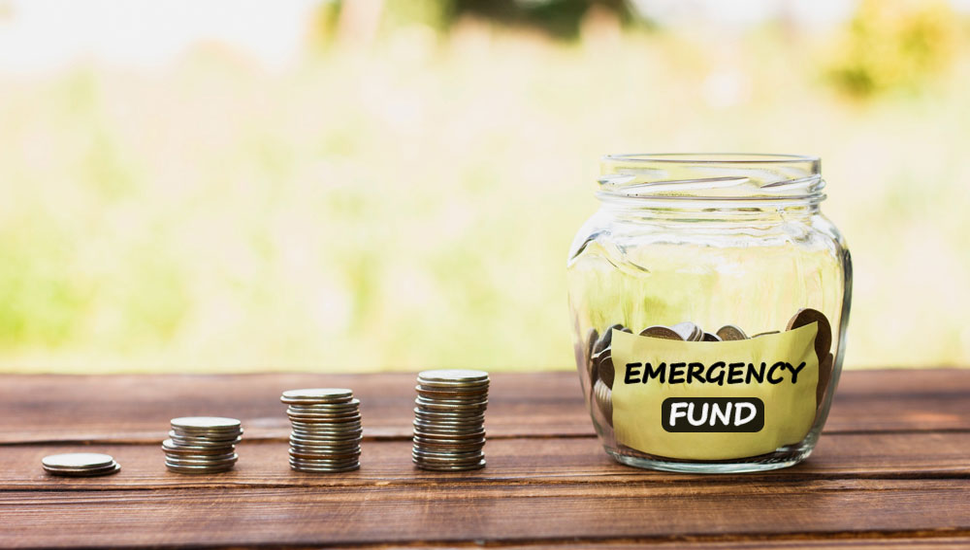
Financial emergencies do not send warnings before they arrive. A sudden health problem, unexpected family responsibility, job loss, business slowdown, rent pressure, or urgent repair can completely disrupt your finances within days.
For many Nigerians, the biggest financial challenge is not earning money — it is handling unexpected expenses without falling into debt. This is where an emergency fund becomes one of the most important financial tools you can build.
An emergency fund gives you financial breathing space. It helps you handle difficult situations without borrowing from friends, taking expensive loans, selling important assets, or destroying your long-term financial plans.
This complete 2026 guide explains exactly how to build an emergency fund in Nigeria, how much you should save, where to keep it, mistakes to avoid, and practical strategies that work even if you have a low income.
What Is an Emergency Fund?
An emergency fund is money that you intentionally save and keep aside for unexpected financial situations. It is designed to protect you when something happens that you did not plan for.
Unlike normal savings, an emergency fund has one specific purpose: to protect your financial stability during emergencies.
Examples of emergencies include:
- Sudden medical expenses
- Loss of employment or income
- Emergency travel
- Unexpected home repairs
- Business income decline
- Urgent family responsibilities
- Replacement of essential items
The goal of an emergency fund is not to make you rich. The goal is to prevent one unexpected event from destroying your financial progress.
Why Every Nigerian Needs an Emergency Fund in 2026
Building emergency savings has become more important because many people experience financial pressure from rising living costs, unpredictable income, and increasing responsibilities.
Here are the major reasons emergency funds matter:
1. Protection Against Unexpected Expenses
Life is unpredictable. Even people with good incomes can experience financial difficulties when unexpected expenses appear. An emergency fund gives you immediate access to money when you need it most.
2. Reduces Dependence on Loans
Without savings, many people turn to borrowing during emergencies. This can create a cycle where one emergency leads to months or years of repayment.
Having emergency savings allows you to solve problems without adding unnecessary financial pressure.
3. Gives You Peace of Mind
Money stress affects decision-making. When you know you have savings available, you can think more clearly and make better financial choices.
4. Protects Your Long-Term Goals
Without an emergency fund, you may be forced to withdraw investments, stop saving, or sell valuable assets whenever problems happen.
An emergency fund protects your bigger financial goals, such as buying property, starting a business, investing, or building wealth.
How Much Emergency Fund Should You Have in Nigeria?
The amount you need depends on your lifestyle, income stability, responsibilities, and monthly expenses.
A common recommendation is between: 3 to 6 months of your essential living expenses.
Emergency Fund Formula:
Monthly Essential Expenses × Number of Months = Emergency Fund Target
Example:
If your essential monthly expenses are ₦300,000:
- 3 months = ₦900,000
- 6 months = ₦1,800,000
Someone with unstable income, a business, or many dependents may need more than six months because income recovery may take longer.
The Right Way to Start Building an Emergency Fund
Many people fail because they believe they need a huge amount of money before they start. That mindset prevents progress.
The best emergency fund is the one you start building today.
Step 1: Know Your Numbers
Before saving, understand your monthly survival expenses. Track:
- Food
- Housing
- Transportation
- Electricity
- Internet and communication
- Healthcare
- Debt payments
- Family obligations
Knowing your expenses helps you create a realistic savings target.
How to Build an Emergency Fund in Nigeria With a Low Income
One of the biggest myths about emergency savings is that you need a high salary before you can start. This is not true. Building financial security is more about consistency, discipline, and having a clear savings system.
Many Nigerians successfully build emergency funds by starting small and increasing their savings gradually as their income improves.
Practical ways to build an emergency fund when money is tight:
1. Start With a Small Amount and Build the Habit
Do not wait until you can save hundreds of thousands of naira. The most important step is creating the habit of saving.
For example, saving ₦5,000 weekly can become ₦260,000 in one year. Small, consistent actions create long-term financial stability.
2. Reduce Unnecessary Expenses
A powerful way to increase savings is to identify expenses that do not add real value.
- Impulse shopping
- Unplanned subscriptions
- Frequent unnecessary eating outside
- Spending without a budget
- Lifestyle expenses that increase with income
The goal is not to remove enjoyment from your life. The goal is to create balance so your future self is protected.
3. Create Additional Sources of Income
Increasing income can make building an emergency fund faster. Many Nigerians use side businesses, freelancing, digital skills, consulting, trading, or other income opportunities to improve savings.
Whenever you earn extra income, consider directing a percentage into your emergency fund before increasing spending.
4. Save Unexpected Money
Unexpected money should not always disappear through spending.
Examples include:
- Bonuses
- Gifts
- Extra business profit
- Side hustle income
A simple rule is to save part of unexpected income and use the remaining portion responsibly.
Where Is the Best Place to Keep an Emergency Fund in Nigeria?
The best place for emergency savings should have three qualities:
- Safety
- Easy access
- Low risk
Remember: the purpose of an emergency fund is protection, not maximum profit.
Possible places to keep emergency savings include:
1. Separate Savings Account
A dedicated savings account helps separate emergency money from everyday spending. This reduces the temptation to use it unnecessarily.
2. Money Market Funds
Some people use low-risk financial products designed for easier access and preservation of money. Always research the provider and understand the terms before choosing any financial product.
3. Reliable Digital Savings Platforms
Digital savings services can help people automate saving, but it is important to use trusted platforms and understand withdrawal rules.
Avoid Keeping Emergency Money in Risky Investments
Emergency funds should generally not be placed in assets that can lose significant value or become difficult to access during urgent situations.
Examples of risky choices for emergency funds may include:
- Highly volatile investments
- Speculative assets
- Money locked away for long periods
Emergency Fund vs Investment: Understanding the Difference
Many people confuse saving emergency money with investing. They serve different purposes.
| Emergency Fund | Investment |
|---|---|
| Protects you during emergencies | Builds wealth over time |
| Should be easily accessible | May require long-term commitment |
| Focuses on safety | Focuses on growth |
A strong financial plan usually includes both emergency savings for protection and investments for future growth.
Common Emergency Fund Mistakes Nigerians Should Avoid
1. Waiting Until You Earn More Money
Many people postpone saving because they believe they will start when their income increases. The problem is that spending often increases with income.
Start with what you have and improve gradually.
2. Using Emergency Money for Non-Emergencies
An emergency fund should not be used for:
- Luxury shopping
- Entertainment
- Unplanned lifestyle upgrades
- Regular monthly spending
3. Not Rebuilding After Using It
If you use your emergency fund, your next financial goal should be rebuilding it.
4. Keeping Everything in Cash at Home
Cash kept at home may be affected by theft, loss, or loss of value over time. A safer storage method is usually better.
Frequently Asked Questions About Building an Emergency Fund in Nigeria
How much money should I save for an emergency fund in Nigeria?
The amount depends on your monthly expenses and financial responsibilities. A common target is between three and six months of essential expenses. However, people with unstable income, businesses, or many dependents may need a larger emergency fund.
Can I build an emergency fund with a small salary?
Yes. Building an emergency fund does not depend only on how much you earn. It depends on your ability to create a consistent saving habit. Starting with small amounts and increasing gradually can create strong financial protection over time.
What is the fastest way to build an emergency fund?
The fastest approach is combining expense control with income improvement. Reduce unnecessary spending, increase your savings percentage and direct extra income into your emergency fund.
Should I clear debt before building an emergency fund?
A balanced approach is usually better. Building a small emergency fund while managing important debts can prevent you from taking new loans whenever unexpected expenses happen.
Where should I keep my emergency fund in Nigeria?
Your emergency fund should be kept somewhere safe and accessible. Many people choose separate savings accounts or other low-risk options that allow quick access when needed.
Is an emergency fund the same as savings?
No. General savings may be used for planned goals such as buying a car, education, travel, or business plans. An emergency fund is specifically reserved for unexpected financial situations.
How long does it take to build an emergency fund?
The timeline depends on your income, expenses, and savings ability. Some people build a basic emergency fund within months, while others may take longer. The important factor is consistent progress.
A Simple 2026 Emergency Fund Action Plan
If you want to start building financial security today, follow this simple plan:
- Calculate your monthly essential expenses.
- Set your first emergency savings target.
- Create a separate place for emergency money.
- Save a fixed amount every week or month.
- Increase your savings whenever your income increases.
- Avoid using the fund unless there is a real emergency.
- Rebuild your savings after any withdrawal.
The biggest mistake people make is waiting for the “perfect time” to start. Financial security is created through small decisions repeated consistently.
Final Thoughts: Why Building an Emergency Fund Is One of the Best Financial Decisions You Can Make
An emergency fund is more than just money sitting in an account. It represents protection, confidence, and control over your financial future.
In Nigeria's changing economic environment, having emergency savings can help you handle unexpected situations without destroying your progress.
You do not need to start with a large amount. Start with what you have, create the habit, and improve over time. The earlier you begin, the stronger your financial foundation becomes.
Financial freedom does not begin only with earning more money. It begins with managing the money you already have wisely.

Comments
Email addresses are never published.