Treasury Bills in Nigeria: How They Work & How to Invest
By MetroNub Staff
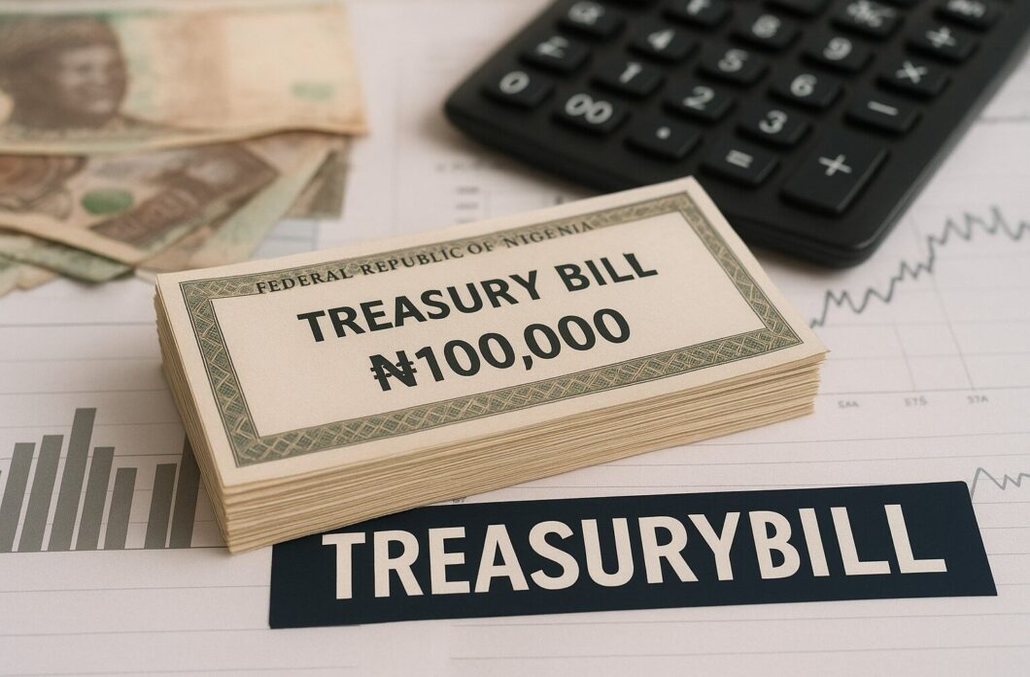
Nigerians are becoming more intentional about protecting their money from inflation, currency volatility, and unstable investment schemes. That shift has pushed more investors toward safer fixed-income instruments - and one of the most popular options today is Treasury Bills in Nigeria.
Whether you're a salary earner looking for low-risk returns, a business owner managing idle cash, or a beginner investor searching for safer alternatives to volatile assets, Nigerian Treasury Bills offer a compelling opportunity.
But here’s the problem: many people still don’t fully understand how Treasury Bills work, how returns are calculated, where to buy them, or whether they’re actually profitable in today’s economy.
This guide breaks everything down in simple, practical terms.
By the end of this article, you’ll understand:
- What Treasury Bills are
- How Treasury Bills work in Nigeria
- Current Treasury Bill tenors and rates
- How to invest step-by-step
- The advantages and disadvantages
- How Treasury Bills compare to fixed deposits and bonds
- Mistakes investors should avoid
- How to maximize your returns safely
What Are Treasury Bills?
Treasury Bills (T-Bills) are short-term debt instruments issued by the Central Bank of Nigeria (CBN) on behalf of the Federal Government of Nigeria to borrow money from investors for a fixed period.
They are considered one of the safest investments in Nigeria because they are backed by the federal government.
Unlike stocks, Treasury Bills do not fluctuate wildly in value. Instead, investors earn a fixed return after a specific maturity period.
Simple Definition
When you buy a Treasury Bill, you are essentially lending money to the Nigerian government temporarily. In return, the government pays you interest.
Why Treasury Bills Are Popular in Nigeria
- Low investment risk
- Predictable returns
- Government-backed security
- Short-term investment duration
- Suitable for conservative investors
- Ideal for capital preservation
How Treasury Bills Work in Nigeria
Treasury Bills operate using a discount pricing system.
This means investors buy Treasury Bills below their face value and receive the full value at maturity.
Example of How Treasury Bills Work
Suppose you invest ₦1,000,000 in a 364-day Treasury Bill at a 20% annual discount rate.
You may purchase the bill for approximately ₦800,000–₦850,000 and receive the full ₦1,000,000 at maturity.
Your profit becomes the difference between:
- The discounted purchase price
- The full maturity value
Who Issues Treasury Bills in Nigeria?
The Central Bank of Nigeria (CBN) issues Treasury Bills through periodic auctions.
These auctions are conducted regularly to help the government:
- Raise short-term funds
- Control liquidity in the economy
- Manage inflation
- Stabilize monetary policy
Types of Treasury Bills in Nigeria
Nigerian Treasury Bills are classified based on their maturity period.
| Tenor | Duration | Suitable For |
|---|---|---|
| 91-Day T-Bills | 3 Months | Short-term cash management |
| 182-Day T-Bills | 6 Months | Medium short-term investing |
| 364-Day T-Bills | 12 Months | Higher yield seekers |
Generally, longer tenors offer higher returns.
How Treasury Bill Auctions Work
The CBN sells Treasury Bills through an auction system.
Step-by-Step Auction Process
- CBN announces auction dates and available tenors
- Investors submit bids through banks or licensed brokers
- CBN reviews bids
- Successful investors receive allocations
- Returns are paid at maturity
Two Types of Bids
1. Competitive Bid
The investor specifies the interest rate they want.
If the rate is too high compared to market demand, the bid may fail.
2. Non-Competitive Bid
The investor accepts the average market rate determined at the auction.
This is common for retail investors.
How to Invest in Treasury Bills in Nigeria
Investing in Treasury Bills has become easier than ever.
Method 1: Through Commercial Banks
Most Nigerian banks allow customers to invest in Treasury Bills.
Requirements
- Bank account
- Valid identification
- Minimum investment amount
- Completed application form
Steps
- Visit your bank or investment desk
- Request Treasury Bill investment options
- Select preferred tenor
- Fund your investment
- Receive confirmation
Method 2: Through Investment Apps and Digital Platforms
Several fintech platforms now offer access to Treasury Bills and fixed-income investments.
This has opened Treasury Bill investing to younger and retail investors.
Method 3: Through Stockbrokers or Asset Managers
Professional investment firms can help structure Treasury Bill portfolios for individuals and businesses.
Minimum Amount Needed to Invest in Treasury Bills
The minimum amount can vary depending on:
- The bank
- The investment platform
- CBN auction conditions
Historically, direct CBN participation often required higher minimums, but many digital investment platforms now allow retail participation with lower entry amounts.
This has significantly improved accessibility.
How Treasury Bill Interest Rates Are Determined
Treasury Bill rates in Nigeria fluctuate based on several economic factors.
Key Factors Affecting T-Bill Rates
- Inflation rate
- Monetary policy rate (MPR)
- CBN liquidity management
- Government borrowing needs
- Foreign investor participation
- Economic stability
Why Treasury Bill Rates Sometimes Rise
Rates may increase when:
- Inflation rises
- The government needs more borrowing
- CBN tightens monetary policy
Why Rates Sometimes Fall
Rates may decrease when:
- Liquidity is high
- Inflation slows
- Investor demand becomes excessive
Advantages of Treasury Bills in Nigeria
1. Low Risk Investment
Treasury Bills are backed by the Federal Government of Nigeria, making them one of the safest naira-denominated investments.
2. Predictable Returns
Unlike stocks or cryptocurrencies, returns are fixed and predictable.
3. High Liquidity
Investors can sometimes liquidate Treasury Bills before maturity through the secondary market.
4. Ideal for Capital Preservation
T-Bills help preserve wealth during uncertain economic periods.
5. Better Returns Than Regular Savings Accounts
Traditional savings accounts often offer very low interest rates compared to Treasury Bills.
Disadvantages of Treasury Bills
1. Inflation Risk
If inflation exceeds Treasury Bill yields, your real purchasing power may decline.
2. Lower Returns Than Some Aggressive Investments
Stocks, real estate, or business investments may outperform Treasury Bills over the long term.
3. Interest Rate Fluctuations
Future Treasury Bill rates can decline unexpectedly.
4. Opportunity Cost
Locking money into fixed-income instruments may reduce flexibility during strong market opportunities.
Treasury Bills vs Fixed Deposit: Which Is Better?
| Feature | Treasury Bills | Fixed Deposit |
|---|---|---|
| Risk Level | Very Low | Low |
| Issued By | Federal Government | Commercial Banks |
| Liquidity | Moderate | Moderate |
| Returns | Usually Competitive | Varies by bank |
| Tax Efficiency | Often favorable | May vary |
Which Should You Choose?
If your priority is:
- Maximum safety: Treasury Bills
- Flexible negotiation: Fixed Deposits
- Government-backed investing: Treasury Bills
Treasury Bills vs Bonds in Nigeria
Many investors confuse Treasury Bills with FGN Bonds.
Main Difference
| Treasury Bills | FGN Bonds |
|---|---|
| Short-term | Long-term |
| 91–364 days | 2–30 years |
| Discount-based returns | Coupon interest payments |
| Higher liquidity | Longer commitment |
Treasury Bills are usually better for investors seeking short-term stability and liquidity.
Who Should Invest in Treasury Bills?
Treasury Bills are suitable for:
- Beginner investors
- Salary earners
- Retirees
- Businesses managing excess cash
- Conservative investors
- Emergency fund managers
Ideal Investor Profile
If your priority is protecting capital while earning stable returns, Treasury Bills may fit your portfolio.
How to Calculate Treasury Bill Returns
Returns are calculated based on:
- Investment amount
- Discount rate
- Tenor duration
Basic Formula
T-Bill Yield = Face Value – Purchase Price
For example:
- Face Value = ₦1,000,000
- Purchase Price = ₦850,000
- Profit = ₦150,000
Common Mistakes Treasury Bill Investors Make
1. Ignoring Inflation
Always compare Treasury Bill yields against inflation rates.
2. Chasing Only High Rates
Higher yields may appear attractive, but timing and liquidity matter too.
3. Failing to Diversify
Do not put all your money into one asset class.
4. Not Understanding Maturity Dates
Always align investments with your financial goals and cash flow needs.
5. Using Emergency Funds
Avoid locking away money you may urgently need.
Strategies to Maximize Treasury Bill Returns
Use Laddering Strategy
Laddering involves splitting investments across multiple maturity dates.
Example
- ₦300,000 in 91-day T-Bills
- ₦300,000 in 182-day T-Bills
- ₦400,000 in 364-day T-Bills
This improves liquidity while maintaining return opportunities.
Reinvest Matured Bills
Compounding through reinvestment can significantly increase long-term returns.
Monitor Interest Rate Cycles
Understanding economic trends helps investors enter at favorable yields.
Are Treasury Bills Safe in Nigeria?
Yes, Treasury Bills are generally considered one of the safest investments in Nigeria because they are backed by the federal government.
However, “safe” does not mean risk-free.
The major risk is usually:
- Inflation risk
- Currency depreciation
- Reinvestment risk
Still, compared to many other local investments, Treasury Bills remain relatively secure.
Can You Lose Money in Treasury Bills?
Direct capital loss is uncommon if held until maturity.
However, investors can lose purchasing power if:
- Inflation rises sharply
- Interest rates fall significantly
- The naira weakens substantially
This is why Treasury Bills should be part of a broader diversified financial strategy.
Current Trends in Nigeria’s Treasury Bill Market
The Nigerian Treasury Bill market continues evolving due to:
- Rising inflation pressures
- Monetary policy tightening
- Increased retail participation
- Digital investment platforms
- Growing fixed-income demand
Many Nigerians now prefer Treasury Bills as a safer alternative to speculative investments.
How Treasury Bills Fit Into a Smart Investment Portfolio
Treasury Bills work best as:
- A capital preservation tool
- A short-term parking instrument
- An emergency liquidity reserve
- A low-risk allocation inside diversified portfolios
Balanced Portfolio Example
| Asset | Allocation |
|---|---|
| Treasury Bills | 30% |
| Stocks | 30% |
| Real Estate | 20% |
| Cash/Emergency Fund | 10% |
| Alternative Investments | 10% |
Frequently Asked Questions About Treasury Bills in Nigeria
What is the minimum amount to invest in Treasury Bills in Nigeria?
The minimum amount varies depending on the bank or investment platform used.
Are Treasury Bills taxable in Nigeria?
Treasury Bills have historically enjoyed favorable tax treatment, though investors should verify current regulations.
Can I withdraw Treasury Bills before maturity?
Yes, through the secondary market, though pricing may vary.
How often does the CBN auction Treasury Bills?
Treasury Bill auctions are usually conducted regularly according to CBN schedules.
Are Treasury Bills better than savings accounts?
In many cases, Treasury Bills offer higher returns than regular savings accounts.
Final Thoughts
Treasury Bills in Nigeria remain one of the most reliable investment vehicles for individuals and businesses seeking low-risk, short-term returns.
In an economy where preserving capital has become just as important as growing wealth, Treasury Bills provide stability, predictability, and government-backed security.
They may not generate explosive profits like high-risk investments, but they play a critical role in smart portfolio management.
For beginner investors, Treasury Bills can serve as an excellent entry point into the world of investing.
For experienced investors, they remain an essential defensive asset during uncertain market conditions.
The key is understanding how they work, comparing yields intelligently, and integrating them strategically into your broader financial plan.