Best Savings Accounts in Nigeria (2026 Interest Rates & Fees)
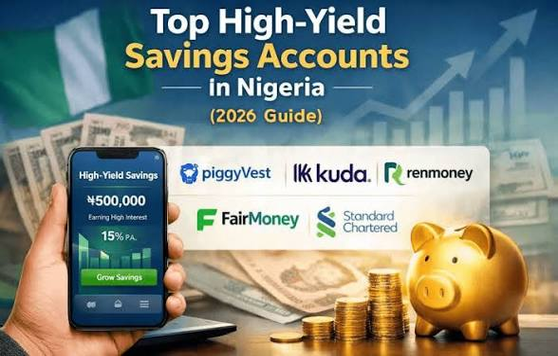
Choosing the best savings accounts in Nigeria is no longer just about storing money safely-it’s about growing your funds, avoiding unnecessary bank charges, and maximizing interest returns. With the rise of digital banks, fintech apps, and traditional banking upgrades, Nigerians now have more options than ever before. But which savings account truly gives you the best value?
In this detailed guide, we break down the top savings accounts in Nigeria, comparing interest rates, maintenance fees, accessibility, and features so you can make an informed financial decision in 2026.
Understanding Savings Accounts in Nigeria
A savings account in Nigeria is a bank account designed to help individuals safely store money while earning interest over time. Unlike current accounts, savings accounts are meant for money not frequently used for daily transactions.
However, not all savings accounts are created equal. Some offer higher interest rates but come with restrictions, while others prioritize flexibility but offer lower returns.
Key Features of a Savings Account
- Interest Rate: Earnings paid on your balance (varies across banks and fintechs)
- Withdrawal Limits: Some accounts restrict monthly withdrawals
- Maintenance Fees: Charges for account upkeep or transactions
- Accessibility: Mobile app, ATM, or branch access
- Minimum Balance: Required amount to keep account active
Factors to Consider Before Choosing a Savings Account in Nigeria
Before selecting any savings account, it is important to evaluate how well it aligns with your financial habits and goals.
1. Interest Rates
Interest rates in Nigeria typically range between 1% and 12% per annum, depending on the institution and type of savings plan. Fintech platforms often offer higher rates than traditional banks.
2. Fees and Charges
Hidden charges can reduce your savings growth. Look out for maintenance fees, transfer charges, SMS alerts, and withdrawal penalties.
3. Ease of Access
A good savings account should offer easy access via mobile apps, USSD, and ATMs without unnecessary restrictions.
4. Financial Goals
Are you saving for emergencies, rent, travel, or long-term investment? Your goal determines the best account type.
Comparison of Best Savings Accounts in Nigeria
Below is a simplified comparison of popular savings accounts from traditional banks and fintech platforms in Nigeria.
| Bank / Platform | Interest Rate (Approx.) | Fees | Best For |
|---|---|---|---|
| GTBank Savings | 2% – 4% | Low to moderate | Salary earners & stable banking |
| Access Bank Savings | 3% – 5% | Moderate | General savings & business users |
| Zenith Bank Savings | 2% – 4% | Low | High-net-worth & corporate users |
| First Bank Savings | 2% – 5% | Moderate | Nationwide accessibility |
| UBA Savings | 3% – 6% | Moderate | Students & everyday banking |
| Kuda Bank | 5% – 10% | Very low | Digital-first savers |
| OPay Savings | 6% – 10% | Low | High-interest mobile savings |
| PalmPay Savings | 8% – 12% | Low | Short-term high yield savings |
Best Traditional Bank Savings Accounts in Nigeria
GTBank Savings Account
The GTBank savings account remains one of the most trusted in Nigeria. It offers strong digital banking infrastructure, reliable customer service, and secure transactions. However, interest rates are relatively moderate compared to fintech alternatives.
Access Bank Savings Account
Access Bank provides a flexible savings structure with multiple account tiers. It is ideal for individuals who want both physical branch access and digital banking convenience.
Zenith Bank Savings Account
Zenith Bank is known for stability and premium banking services. While interest rates are not the highest, the bank offers excellent financial security and corporate-level support.
First Bank Savings Account
As one of Nigeria’s oldest banks, First Bank offers wide accessibility across the country. It is especially useful for users in rural and semi-urban areas.
United Bank for Africa (UBA)
UBA combines strong digital banking with an international presence. It is a solid choice for users who travel frequently or send money across Africa.
Best Fintech Savings Accounts in Nigeria
Kuda Bank Savings
Kuda is a digital-only bank offering higher interest rates than most traditional banks. Its automated savings features make it easy to set financial goals and save consistently.
OPay Savings
OPay has become a major player in Nigeria’s fintech space. It offers competitive interest rates and daily returns on savings balances, making it attractive for short-term savers.
PalmPay Savings
PalmPay provides some of the highest interest rates in Nigeria’s savings market. It is ideal for users looking to maximize returns over a short period.
Carbon Savings
Carbon offers both savings and lending services. Its savings products are flexible and designed for users who want quick access to funds while still earning interest.
Interest Rates Comparison: Traditional Banks vs Fintech
One of the biggest differences in Nigeria’s savings ecosystem is the gap between traditional banks and fintech platforms.
- Traditional Banks: 2% – 6% annual interest
- Fintech Platforms: 5% – 12% annual interest
Fintech apps typically offer higher returns because they operate with lower overhead costs and encourage digital-only transactions.
Bank Fees and Hidden Charges to Watch Out For
While interest rates are important, fees can quietly reduce your overall savings growth. Common charges include:
- Maintenance fees
- ATM withdrawal charges
- Transfer fees (especially interbank transfers)
- SMS alert fees
- Inactivity charges
Always read the terms and conditions before opening a savings account to avoid unexpected deductions.
How to Choose the Best Savings Account in Nigeria
Selecting the right savings account depends on your financial behavior and goals. Here are practical tips:
- If you want high returns: Choose fintech platforms like Kuda or PalmPay
- If you prefer stability: Go for GTBank, Zenith, or First Bank
- If you want flexibility: Access Bank or UBA may be ideal
- If you save frequently: Look for zero or low transaction fees
Final Thoughts on the Best Savings Accounts in Nigeria
The best savings accounts in Nigeria ultimately depend on your financial priorities. Traditional banks offer stability and trust, while fintech platforms provide higher interest rates and modern convenience.
For most Nigerians in 2026, a hybrid approach works best—keeping a primary account in a traditional bank while using a fintech platform for high-yield savings. This strategy balances safety, liquidity, and growth potential.
By understanding interest rates, fees, and accessibility, you can make smarter financial decisions and grow your wealth more effectively over time.
For more financial update Follow Metronub on all their social media handles

Comments
Email addresses are never published.