How to Build an Emergency Fund in Nigeria Fast (Even on Low Income)
By MetroNub Staff
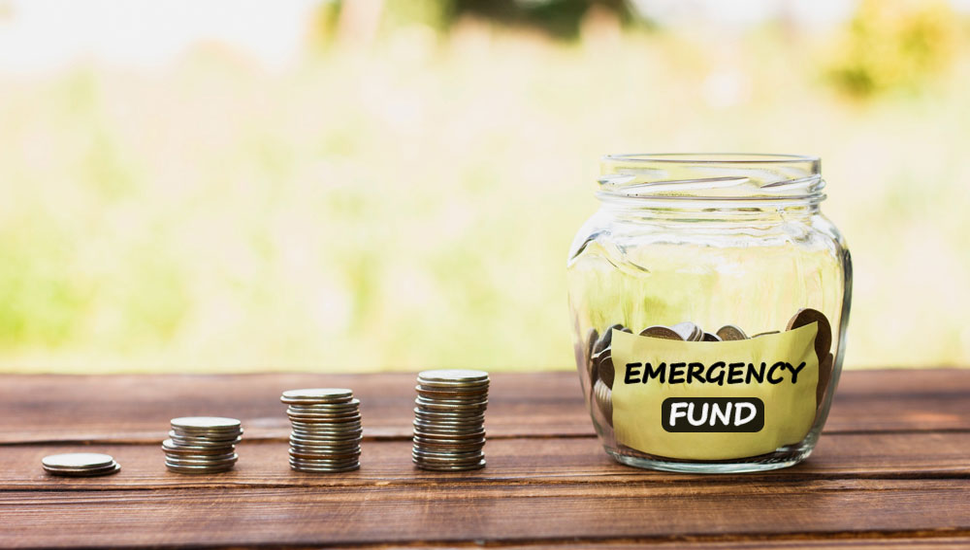
Building an emergency fund in Nigeria is one of the most important financial habits you can develop. In a country where income can be unstable, inflation fluctuates, and unexpected expenses are common, having a financial safety net can protect you from debt and financial stress.
This guide provides a detailed, practical, and realistic approach to help you build an emergency fund in Nigeria—even if you earn a low income.
What Is an Emergency Fund?
An emergency fund is a dedicated amount of money saved strictly for unexpected financial situations. It is not for luxury spending, entertainment, or planned purchases. It is your financial backup plan when life happens unexpectedly.
Common emergencies include:
- Medical emergencies and hospital bills
- Sudden job loss or income reduction
- Urgent house or rent-related issues
- Car or transportation breakdowns
- Family emergencies requiring immediate support
- Unexpected essential bills or repairs
An emergency fund helps you avoid borrowing money at high interest rates or falling into debt traps.
Why You Need an Emergency Fund in Nigeria
Financial instability is a reality for many Nigerians due to rising inflation, unpredictable expenses, and fluctuating income sources. Without savings, even small financial shocks can create serious problems.
Key benefits of an emergency fund include:
- Protection from debt and loans
- Reduced financial stress and anxiety
- Financial independence during emergencies
- Better decision-making during crises
- Long-term financial stability
How Much Should You Save in an Emergency Fund?
Financial experts recommend saving 3 to 6 months of essential living expenses. However, if you are on a low income, the best approach is to start small and scale gradually.
Example Breakdown
- Monthly expenses: ₦100,000
- 3-month emergency fund: ₦300,000
- 6-month emergency fund: ₦600,000
Low-Income Savings Milestones
- ₦20,000 starter fund
- ₦50,000 emergency buffer
- ₦100,000 stability goal
- 1 month of essential expenses
- 3–6 months full emergency fund
Step 1: Identify Your Monthly Essential Expenses
The first step to building an emergency fund is understanding how much you need to survive each month.
Essential expenses include:
- Rent or housing costs
- Food and groceries
- Transportation
- Electricity and utilities
- Healthcare and medication
- School fees (if applicable)
- Communication and data costs
Once you know your monthly survival cost, you can set a realistic savings target.
Step 2: Open a Dedicated Emergency Savings Account
One of the biggest mistakes people make is mixing savings with everyday spending money. This leads to unnecessary withdrawals.
Best practices include:
- Open a separate savings account
- Use a trusted digital savings platform
- Enable withdrawal restrictions
- Automate monthly savings transfers
This creates discipline and reduces. temptation to spend your savings.
Step 3: Start Small but Stay Consistent
You don’t need a large salary to start saving. Consistency is more powerful than amount.
Simple Savings Examples
- ₦500 daily = ₦15,000 monthly
- ₦1,000 daily = ₦30,000 monthly
- ₦5,000 weekly = ₦20,000 monthly
Even small savings grow significantly over time when done consistently.
Step 4: Use the “Pay Yourself First” Strategy
This is one of the most effective wealth-building habits.
How it works:
- Save a portion of your income immediately after receiving it
- Use the remaining money for expenses
- Treat savings like a mandatory bill
This ensures your emergency fund grows automatically without relying on leftovers.
Step 5: Cut Down Unnecessary Expenses
Many people struggle to save because of hidden or unnecessary spending.
Common expenses to reduce:
- Impulse purchases
- Unused subscriptions
- Excess mobile data spending
- Frequent eating out
- Unplanned transportation costs
- Entertainment overspending
Redirecting these small expenses into savings can make a big difference over time.
Step 6: Increase Your Income Streams
While saving is important, increasing your income can speed up your emergency fund growth significantly.
Income ideas in Nigeria include:
- Freelancing (writing, design, programming)
- Online tutoring
- Content creation
- Affiliate marketing
- Virtual assistance
- Small-scale trading
- Delivery or logistics services
- Skilled services (hair, repair, crafts)
Even a small side income can accelerate your financial goals.
Step 7: Save Unexpected or Extra Income
Any unexpected money should strengthen your emergency fund instead of being spent carelessly.
Examples include:
- Salary bonuses
- Pay raises
- Cash gifts
- Business profits
- Side hustle income
A strong habit is to save at least 50% of any unexpected income.
Best Places to Keep Your Emergency Fund in Nigeria
High-Yield Savings Accounts
Safe, reliable, and easily accessible for emergencies.
Digital Savings Platforms
Offer automated savings features and higher interest rates than traditional banks.
Money Market Funds
Provide better returns while maintaining liquidity and low risk.
Common Mistakes to Avoid
Waiting for a Higher Income
Start with what you have. Waiting delays progress.
Using Emergency Funds for Non-Emergencies
Only use the fund for real financial emergencies.
Keeping Too Much Cash at Home
This increases. risk of theft, loss, and misuse.
Ignoring Inflation
Review and adjust your savings target regularly.
Emergency Fund Tips for Low-Income Earners
- Start small and stay consistent
- Automate your savings
- Track your spending habits
- Reduce lifestyle inflation
- Build multiple income streams
- Set realistic milestones
Conclusion
Building an emergency fund in Nigeria is absolutely possible-even on a low income. The key is discipline, consistency, and starting small instead of waiting for the perfect moment.
Every small step you take today builds financial security for tomorrow. Start now, stay consistent, and gradually grow your financial safety net.
Your financial stability begins with your first saved naira.
For more financial update please follow Metronub on all their social media handles.